Thursday, 28 March 2019

Deinstitutionalisation of psychiatric patients in Romania

This is a short note that I wrote for the European Implementation Network website, where it was published originally


On 29 January 2001, Alexandru Nabosnyi was arrested and committed to a psychiatric hospital, based on a short news story in a local newspaper, accusing him of various sexual crimes. A psychiatric report subsequently stated he lacked discernment due to being diagnosed with schizophrenia and a court formally validated the psychiatric detention order. The criminal investigation, which was protracted and superficial, resulted in most charges against him being dropped. Regardless, Mr. Nabosnyi went on to spend his next seventeen years involuntarily detained in high security psychiatric hospitals. 

Mr. Nabosnyi went before courts regularly, asking to be released, but the default position was that he was too ill and too dangerous to be released, despite the charges against him having been dropped. The European Court of Human Rights took a different view. By a judgment delivered on 28 February 2018 in the case N. v. Romania, the Court decided that Mr. Nabosnyi had been unlawfully detained since at least 2007. The national authorities had failed to adduce any evidence to prove that he was dangerous. His release was delayed by the absence of suitable facilities helping patients re-settle after long periods of detention. The proceedings reviewing the validity of Mr. Nabosnyi’s detention were flawed due to poor ex officio legal assistance and widespread procedural irregularities. In line with Mr. Nabosnyi’s request, the Court made use of its powers under Article 46 and instructed the Romanian Government to immediately release him in conditions meeting his needs and to take general measures ensuring that psychiatric detention was lawful, justified and not arbitrary.

From the outset, two obstacles hampered the implementation process. First, after having spent seventeen years in psychiatric detention, Mr. Nabosnyi lacked a network of support in the community, besides not owning any property. Far from being a mere formality, his release and transition to living in the community required substantial preparation and assistance. Second, at the beginning of 2018, after separate proceedings occasioned by his initial complaint to Strasbourg, a local court placed him under plenary guardianship and named a local village mayor to act as guardian. This decision had complex ramifications to do with being able to take decisions related to living in the community or enjoying the just satisfaction awarded by the Court.  

On 2 May 2018, I filed a Rule 9§1 submission on Mr. Nabosnyi’s behalf, informing the Committee of Ministers about the bureaucratic inertia hindering his release to a suitable community-based arrangement and about his placement under guardianship. Following the submission, on 29 May 2018, Mr. Nabosnyi was finally released from the psychiatric hospital and transferred to a social care home in Bucharest, his hometown. Although that is also a closed institution, it is a superior arrangement that provides a sense of progress after seventeen years of psychiatric detention. On 20 August 2018, I made the second Rule 9§1 submission, attempting to dispel the Government’s argument to the effect that the social care home constituted a satisfactory solution, rather than, as I argued, a mere stepping-stone to a community-based arrangement, corresponding with the Court’s Article 46 request. 

Beyond individual implications, Mr. Nabosnyi’s case shines a light on Romania’s forensic detention system, which warehouses psychiatric patients in very poor conditions, often indefinitely, without meaningful judicial scrutiny. A European Implementation Network workshop in May 2018 helped me prepare the forthcoming exchanges with the Romanian Government before the Committee of Ministers regarding general measures. On 29 October 2018, the Government submitted a poor action plan, devoid of meaningful substance. On 21 November 2018, I submitted a detailed Rule 9§2 briefing on behalf of three disability rights non-governmental organizations, providing the Committee of Ministers with information regarding the general state of the forensic detention system in Romania and outlining the general measures required with a view to achieving reform and ensuring access to justice for patients. 

In December 2018, the Committee of Ministers issued a very positive decision, in line with our expectations. On general measures, the CM asked the Government to submit a revised action plan. On individual measures, the CM accepted that the social care home was but a temporary arrangement and called on the Government to ensure Mr. Nabosnyi’s move to community living as soon as practicable. In addition, the CM strongly criticized the guardianship system in place in Romania, which deprived Mr. Nabosnyi of “the exercise of his civil and political rights,” called for immediate reform and asked the Government to ensure his interests were safeguarded in the interim period. 

The Committee of Ministers process constituted a catalyst for increased advocacy at the domestic level to reform the forensic detention system. New alliances were formed, that engaged in dialogue with the Government. Other procedures were leveraged for pressure, including by securing positive references in the Commissioner for Human Rights’ report on her visit to Romania in November 2018. On individual measures, the authorities are working towards securing Mr. Nabosnyi’s transfer to the first state-run sheltered housing facilities in Bucharest, that are due to be opened this year. 


Wednesday, 27 March 2019

Disability inclusive education case communicated by European Court of Human Rights

This is a short note regarding an inclusive education case v. Romania communicated recently by the European Court of Human Rights. I act as the applicants' co-counsel, along with Catalina Radulescu.

The case M.C. and others. v. Romania involves an 11-year old child with persistent disciplinary problems attributed to a diagnosis of oppositional disorder, and his parents. In 2010, an NGO contracted by the parents to evaluate and monitor his condition, issued the school in Bucharest where he was enrolled with detailed advice about handling the situation, including by creating a predictable, rule-based learning environment, using a support teacher and a school counsellor, highlighting positive behaviour and ignoring minor incidents, keeping criticism at a minimum. 

However, once the NGO team left, the situation deteriorated fast. The school failed to take any of the measures available under the law to evaluate and accommodate the child’s disability and started instead to blame him for the disruption.  At the beginning of 2011, the child’s parents installed a hidden recording device in his school uniform. Thus, they obtained many hours of recordings of intemperate and vicious abuse inflicted on the child by teachers and other children. Confronted by the parents, the school applied pressure on the applicants to seek a transfer, instigated other parents to complain about and campaign against the presence of a disabled child in school, blamed and denigrated the parents and the child and applied increasingly more severe disciplinary sanctions. The regulatory and supervisory agencies refused to get involved. The child was effectively forced to drop out from school. He started the next academic year with a private school where he received the support he needed and eventually flourished. 

Criminal proceedings focused narrowly on the liability of one teacher, who received a suspended prison sentence of one year for abusive behaviour. Civil proceedings focusing on bullying, the lack of reasonable accommodation and support were thrown out, with courts rejecting the use of audio recordings as evidence on the basis that they were done illegally, and ignoring the verdict rendered in criminal courts that they theoretically were bound to follow. The decisions handed down at the national level are rife with negative stereotypes regarding the ability of children with psychosocial disabilities to learn in mainstream schools and disregard for relevant regulations that would accommodate disability. 

We lodged the complaint with the European Court of Human Rights in September 2018. The Court communicated the case in in record time, in February 2109. All relevant issues are well represented in the questions asked by the Court – the States’ obligation to prevent, protect from and investigate bullying, the accommodations required in order to ensure equal access to education for children with psychosocial disabilities with challenging behaviour, access to justice with respect to abuses taking place in school, and in particular the use of evidence from hidden recording devices, disability-based discrimination. The evidence is very persuasive and the case has been argued reasonably well at all stages. 

This is an important opportunity for pushing the Court to develop its standards on inclusive education for children with psychosocial disabilities. We therefore invite support in any form, including third party interventions. The communication is available HERE.

This is the second disability education case against Romania that a team of lawyers involving Constantin Cojocariu and Catalina Radulescu have brought before the European Court of Human Rights. The first one, still pending, is Stoian v. Romania, which drew third party interventions from the U.N. Special Rapporteur on Disability Rights and the Council of Europe Commissioner for Human Rights among others. The Court communications in that case are available HERE and HERE


Friday, 18 January 2019

Positive outcome in transgender case before the European Court of Human Rights

Last week, I was saying that I usually got one good and one bad judgment from the European Court every year and was wondering where this one would sit. It turns out it sits somewhere in between.
The X. v. Macedonia judgment announced yesterday by the Court holds great promise for the future in that it requires Macedonia to adopt legislation on legal gender recognition in line with international standards. Macedonia remains one of the last countries in Europe without even a semblance of legislation on legal gender recognition, with trans people forced to flee the country or live in limbo. 
The dissenting opinion of judges Pejchal and Wojtyczek on the other hand is the latest and perhaps most vicious signal that reactionary conservative propaganda is well and truly entrenched at the Court, raising a worrying question about values and about the nature of the mandate entrusted to judges sitting on a human rights court. More about this in due time. 
I am particularly delighted with a small but meaningful detail in the first paragraph of the judgment, stating that "Respecting his self-identification, the Court will refer to his gender as male." The practice of the Court so far on designating trans applicants has been rather mixed so far, with misgendering a source of great frustration for applicants and their representatives. The Court's clearly-stated commitment to self-identification is a telling response to a question I raised during the meeting between Court and applicants that took place in Strasbourg one month ago. It is very encouraging to see that dialogue make a meaningful difference, rather than being an empty notion!
My role in this case has been as main cheerleader and supporter to the applicant's lawyer, Natasa Boskova, whose hard work and selfless commitment through the years were truly inspirational and whom I am grateful to call a friend. Last but not least, I would like to salute X for his resilience and optimism in the face of great adversity. I hope your case gets settled and that a great new law will finally be adopted soon enough!

ILGA Europe statement is available HERE
The judgment is available HERE


Thursday, 14 December 2017

Important development in the area of mental health detention from the European Court of Human Rights

The European Court of Human Rights’ recent ruling in the case N. v. Romania (decided on 28 November) has important implications in the areas of mental health detention and community living. The applicant was a man diagnosed with schizophrenia who complained about the legality of his detention in various psychiatric hospitals since 2001, on account of unsubstantiated sexual assault allegations that had never been reviewed in court. On 28 November 2017, the Court ruled that his detention lacked a legal basis or justification at least since 2007 (the Court declined to examine the period before 2007, including the initial decision to detain the applicant, for reasons of admissibility). In addition, the Court held that the judicial proceedings for the review of the applicant’s continued detention since 2007 had not afforded sufficient safeguards against arbitrariness. Consequently, the Court found several breaches of Article 5 (right to liberty) of the European Convention on Human Rights and awarded the applicant 38,050 Euro in damages and costs. This is a brief analysis of the main points of interest in the judgment.

The Court criticized the authorities’ failure to undergo a “rigorous” assessment of the applicant’s needs or secure his release in conditions that matched those needs despite a judicial order ending his compulsory hospitalization issued at the beginning of 2017. The Court remarked that this case was symptomatic of a systemic problem in Romania in that there was a lack of social services to assist people transitioning from institutional living. Despite the authorities’ formal adherence to international norms advocating for community living, there was a failure to provide the applicant with suitable services upon his release. In view of these circumstances, the Court took the unusual step of demanding that the applicant be released “without delay […] in conditions meeting his needs.” These findings and the wording of the remedial measure create a crucial new opening in the Court’s jurisprudence in this area, suggesting that Article 5 may be construed to imply a positive obligation incumbent in State Parties to provide the community services needed facilitate the release of individuals from unjustified mental health detention.

The Court also noted the superficial manner in which national courts reviewed the necessity of the applicant’s ongoing detention between 2007 and 2017. In particular, they failed to establish the main criterion in domestic law for detention of this type, namely that the person in question represented a danger to society. National courts impermissibly inferred the existence of danger from allegations of sexual assault that had never been proven in court and from the applicant’s diagnosis in itself. In that respect, the Court recalled under Article 14 of the CRPD, “the existence of a disability could not in itself justify a deprivation of liberty.” The successive sets of proceedings on review were flawed for a number of additional reasons. Notably, the Court criticized the ineffectual performance of the ex officio lawyers appointed to represent the applicant through the years, who had either argued in favor of his continued detention or had left the matter to the discretion of the courts, and never got in touch with him before the hearings took place.

The Court warned that these deficiencies were likely to give rise to other well-founded applications in the future. It therefore indicated additional general measures to the Romanian State: to ensure that the detention of individuals in psychiatric hospitals was lawful, justified and not arbitrary; and to ensure that any individuals detained in such institutions are entitled to take proceedings affording adequate safeguards with a view to securing a speedy court decision on the lawfulness of their detention. The Court uses its power to indicate individual or general remedial measures under Article 46 of the Convention on an exceptional basis, in cases that highlight systemic or structural problems with the potential to generate significant numbers of similar complaints in the future.

The judgment is infused with references to the CRPD and the work of the CRPD Committee. The Court cited with approval Article 14 of the CRPD (“liberty and security of the person”), the CRPD Committee’s statement of interpretation on Article 14, its Marlon James Noble v. Australia decision, with facts that are strikingly similar to those in N. v. Romania, as well as Article 19 (“living independently and being included in the community”). Thus, the N. v. Romania ruling is another step in the process of reconciling the two human rights instruments, including with respect to such divisive issues as mental health detention. Also notable is the Court’s willingness to highlight the systemic underpinnings of the violations found and indicate individual and general remedial measures to the Romanian State. The Court had previously made similar use of its remedial powers in another disability case originating from Romania, Centre for Legal Resources on behalf of Valentin Campeanu, decided in 2014, urging the Romanian authorities to “envisage the necessary general measures to ensure that mentally disabled persons […] are afforded independent representation, enabling them to have Convention complaints relating to their health and treatment examined before a court or other independent body.” These two judgments, in addition to other jurisprudence, constitute a strong platform that Romanian advocates may use to push for badly needed reform in the areas of access to justice and deinstitutionalization.   

The Court’s judgment (in French) is available here:


The press release (in English) is available here:


The applicants in N. v. Romania, as well as in Valentin Campeanu v. Romania, were represented by Constantin Cojocariu, a lawyer licensed to practice in Romania and based in London.

Wednesday, 22 March 2017

Persoanele cu dizabilitati in fata Curtii Constitutionale a Romaniei

Pe 6 februarie 2017, Tribunalul Buzau a sesizat Curtea Constitutionala cu o cerere de examinare a constitutionalitatii Articolului 164§1 din Codul Civil privind procedura punerii sub interdictie. Litigiul principal se refera la o cerere de punere sub interdictie introdusa de Spitalul Psihiatric Sapoca din Judetul Buzau, care vizeaza unui pacient diagnosticat cu schizofrenie, internat fortat in diverse spitale psihiatrice de maxima siguranta incepand din 2001. Cererea aflata pe rolul Curtii Constitutionale (Dosar nr. 695D/2017) reprezinta o sansa pentru reexaminarea unei institutii – punerea sub interdictie – anacronice, profund nedrepte si aflata in contradictie flagranta cu drepturile fundamentale ale omului. Acest articol isi propune sa prezinte pe scurt motivele pentru care contest aceasta institutie, reprezentand in acelasi timp un apel la mobilizare in sustinerea clientului meu adresat societatii civile interesate de protectia drepturilor omului.

Procedura punerii sub interdictie consta in privarea de capacitatea de exercitiu a persoanelor cu probleme de sanatate mintala percepute ca fiind incapabile de a-si apara interesele, si punerea lor sub tutela unei terte persoane. Capacitatea de exercitiu rezida in aptitudinea persoanei de a-si exercita drepturile pe cont propriu. Punerea sub interdictie este unul din mijloacele institutionale prin care statul condamna persoanele cu dizabilitati la marginalizare fizica si simbolica, alaturi de formele de invatamant segregate, institutiile rezidentiale, lipsa accessibilitatii etc. Pe de o parte, punerea sub interdictie priveaza persoanele cu dizabilitati de drepturile lor fundamentale, precum accesul la justitie sau dreptul la munca, condamnandu-le la destitutie. Pe de alta parte, punerea sub interdictie, care presupune intre altele pierderea automata a dreptului la vot, marcheaza in mod simbolic persoanele cu dizabilitati ca cetateni de mana a doua, sau chiar ca non-persoane, sens in care se vorbeste de “moartea lor civila”.

Procedura punerii sub interdictie este reglementata in Codul Civil, care precizeaza in articolul 164§1 ca “persoana care nu are discernamantul necesar pentru a se ingriji de interesele sale, din cauza alienatiei ori debilitatii mintale, va fi pusa sub interdictie judecatoreasca”. In ciuda efectelor sale dramatice si permanente asupra persoanei, punerea sub interdictie este instituita cu un minimum de garantii procedurale, in instante blazate si indiferente, cu avocati din oficiu indolenti si ignoranti, cu procurorii sau autoritatile tutelare jucand un rol decorativ, fara participarea efectiva a persoanei vizate, bazat exclusiv pe avizul medicilor psihiatri. In vasta majoritate a cazurilor, procedura punerii sub interdictie are loc cu implicarea activa a familiei, care isi asuma sarcina de tutore. Punerea sub interdictie devine insa aproape imposibila in cazul persoanelor cu dizabilitati fara familie, deseori institutionalizate, in ciuda nevoilor de suport si asistenta evidente ale acestora.

Procedura punerii sub interdictie este infestata de stereotipuri negative cu privire la persoanele cu dizabilitati, vazute, dupa caz, ca niste persoane neputincioase asimilate copiilor, sau ca niste bestii periculoase care trebuie tinute sub atenta supraveghere. Departe de a fi o masura de protectie, dupa cum este prezentata in mod formal, punerea sub interdictie faciliteaza adesea abuzurile impotriva persoanei.  Astfel de abuzuri pot fi comise de familie, care pot incerca manipularea procedurii cu scopul de a prelua controlul asupra bunurile persoanei vizate, sau de autoritati, avand in vedere ca punerea sub interdictie priveaza persoana de accesul la justitie, facilitand controlul fizic asupra acesteia sub forma institutionalizarii sau administrarii de tratament medical fortat. In fine, punerea sub interdictie se preteaza la abuzuri sub forma invocarii sale cu rea credinta in conflictele intre persoane private. O data pusa sub interdictie, persoanei in cauza ii va fi foarte greu daca nu imposibil sa obtina ridicarea masurii. Pe de alta parte, conditiile punerii sub interdictie nu sunt supravegheate efectiv, nici supuse unui control periodic, astfel incat masura devine de facto permanenta.

Punerea sub interdictie, reglementata prin apel la termeni anacronici si profund jignitori (“interdictie”! “alienatie”! “debilitate”!), este un artefact juridic aflat in profunda contradictie cu standardele internationale de drepturile omului pe care Romania este tinuta sa le respecte. Astfel, Curtea Europeana a Drepturile Omului a criticat alte state cu institutii similare pentru motive tinand de inflexibilitate, avand in vedere ca acest regim presupune o falsa dihotomie intre persoane cu si fara discernamant, ca nu corespunde circumstantelor diverse ale persoanelor cu sau fara dizabilitati mintale, si ca nu ofera suficiente garantii impotriva abuzurilor. Dreptul Uniunii Europene interzice discriminarea persoanelor cu dizabilitati in campul muncii sau in legatura cu anumite aspecte ale dreptului la vot, chestiuni care sunt afectate in cadrul procedurii punerii sub interdictie. In mod crucial, institutia punerii sub interdictie este in flagranta contradictie cu etosul Conventiei Natiunilor Unite pentru Drepturile Persoanelor cu Dizabilitati, constand in valori precum demnitatea, egalitatea, participarea si autonomia. Mai concret, Conventia interzice institutiile de tipul punerii sub interdictie, bazata pe substitutia vointei persoanei cu dizabilitati,  dictand inlocuirea lor cu regimuri de suport, in care persoanele sunt ajutate sa ia decizii pe cont propriu.

Tarile din regiune, incluzand de exemplu Letonia, Cehia, Croatia sau Moldova au recunoscut caracterul problematic al institutiilor de tipul punerii sub interdictie, initiind reforme de substanta, deseori in urma unor hotarari judecatoresti la nivel de Curte Constituionala sau Curte Suprema. In Romania este de notorietate situatia dramatica a persoanelor cu dizabilitati, indeosebi ale celor din institutii, insa resorturile ascunse ale acestei stari de fapt raman mai degraba neintelese si neabordate. Intre aceste cauze profunde se afla si institutia punerii sub interdictie, care trebuie urgent reformata. Recent, organizatia neguvernamentala Pentru Voi a propus un proiect de lege care ar modifica unele din trasaturile cele mai problematice ale punerii sub interdictie. Pe de alta parte, litigiul aflat pe rolul Curtii Constitutionale, primul atac frontal impotriva regimului juridic actual din perpectiva drepturilor omului, reprezinta o sansa pentru relansarea unei dezbateri care sa vizeze statutul persoanelor cu dizabilitati mintale in societatea noastra in general, si modalitatile in care acestea pot primi suportul necesar pentru luarea autonoma a deciziilor in mod special.


Pentru mai multe detalii, intrebari sau pentru cei ce doresc sa puna umarul la acest effort, ii invit sa ma contacteze pe adresa de email constantincojocariu@yahoo.com sau pe celelalte canale de comunicare cunoscute.

Tuesday, 22 November 2016

Good judgment on the right to free speech of LGBT communities

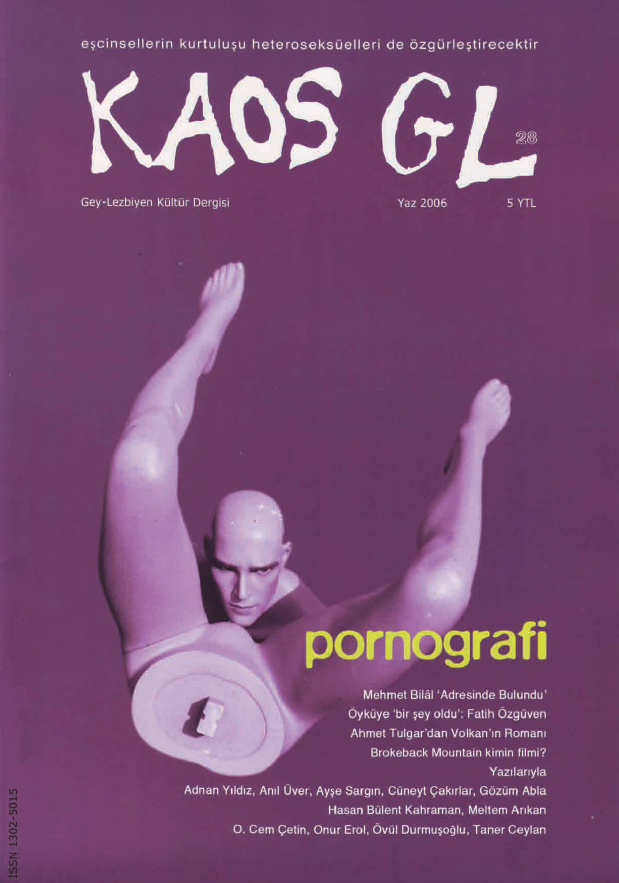
The Court delivered (finally!) a decent judgment in a case I have been involved in - KAOS GL v. Turkey - concerning the restrictions placed on a magazine published by well known LGBT organisation discussing pornography and its place in the lives of LGBT people, justified on the basis of criminal provisions banning obscene publications from public exposure. 
Violation of the freedom of expression due to restriction being totally disproportionate as well as sloppy reasoning. Important affirmation of right of LGBT communities to participate in public debate with issues related to their identity. 
Nevertheless, the court's view that some kinky paintings reproduced in the magazine (including a metaphorical depiction of painter having sex with his alter ego) may potentially justify some degree of censorship, without meaningful analysis, as well as its glossing over extensive evidence of this case being part of a wider campaign by Turkish authorities to stifle LGBT activism, were disappointing.
All in all, an ok-enough ruling that may provide some momentary respite to hard-pressed activists in Turkey.
Link to judgment: HERE
Link to INTERIGHTS case page with additional info: HERE


Friday, 29 July 2016

Persoanele trans – de la faza de ‘experiment inedit’, de ‘incalcare a ordinii publice’ la cea de titulari de drepturi fundamentale - un dosar rezolvat recent in instantele romane

Voi prezenta pe scurt istoria unui caz rezolvat recent de instantele romane, privind recunoasterea in Romania a modificarilor de stare civila intervenite in Italia in favoarea unui barbat trans roman, cu cateva observatii scurte la final. 

Reclamantul X este un barbat trans, cetatean roman, care a emigrat in Italia. Printr-o hotarare pronuntata in 2008, Tribunalul Torino i-a autorizat cererea de a efectua un tratament de reatribuire chirurgicala a sexului. Dupa efectuarea acestui tratament, in cursul anului 2009, aceeasi instanta a pronuntat o hotarare prin care a aprobat cererea reclamantului de schimbare a sexului si a prenumelui in registrele de stare civila italiene. Ca urmare, Primaria orasului Torino a transcris actul de nastere romanesc si a inscris mentiunile necesare cu privire la sex si prenume. Ulterior, reclamantul a obtinut un act de identitate italian continand noile elemente de identitate.

Reclamantul a solicitat initial Serviciului de stare civila Y introducerea pe cale administrativa in registrul de stare civila roman a modificarilor survenite cu privire la prenume si sex in Italia. Serviciul de stare civila a comunicat cererea sa serviciului specializat din Ministerul Afacerilor Interne, care a raspuns in sensul ca, potrivit Regulamentului CE nr. 2201/2003 privind competenta, recunoasterea si executarea hotararilor judecatoresti in materie matrimoniala si in material raspundereii parintesti, se impune mai intai recunoasterea sentintelor de catre un tribunal, urmand ca ulterior sa se procedeze la inscrierea modificarilor in cauza in registrul de stare civila.

Ulterior, reclamantul a introdus o cerere in judecata pe rolul Tribunalului Y, solicitand Servicului de stare civila Y (intimatul) recunoasterea celor doua sentinte civile ale Tribunalului Torino si mentionarea modificarilor survenite in Italia pe actul sau de nastere, atribuirea unui cod numeric personal, ca si eliberarea unui nou certificat de nastere. Reclamantul a aratat ca actele de identitate romanesti expirasera si ca in acelasi timp cartea de identitate italiana era valabila doar pe teritoriul Italiei. Prin urmare, reclamantul nu avea posibilitatea sa calatoreasca in Romania pentru a-si vizita familia si prietenii. Pe de alta parte, el nu putea nici trimite o procura pentru intocmirea unor noi acte de identitate avand in vedere ca elementele de identitate pe care le avea in Italia nu coincideau cu cele inscrise in registrele de stare civila romane.

In motivarea sa, Tribunalul a subliniat ca instanta italiana nu a tinut seama de faptul ca reclamantul era cetatean roman, un element de extraneitate care ar fi trebuit sa atraga incidenta Regulamentului (CE) nr. 44/2001 privind competenta judiciara, recunoasterea si executarea hotararilor in materie civila si comerciala. Potrivit dispozitiilor relevante din acest Regulament, in conjunctie cu Art. 1079§1 Cod civil, cererea de autorizarea a schimbarii de sex e de competenta exclusiva a instantei romane, singura care putea “verifica date de fapt concrete din istoria personala a reclamantului, date relevante in solutionarea cererii sale, prin audierea, spre exemplu, a unor martori care il cunosteau inca din copilarie”. Tribunalul a apreciat ca “in lipsa unor informatii ample privind evolutia comportamentala si de ordin psihic a reclamant[ului], profundele modificari prin care acesta urma sa treaca si prin care a si trecut par a fi fost privite de catre instanta straina un simplu experiment complex, poate inedit, dar un experiment.” In acest sens, decizia de a modifica registrele de stare civila italiene nu poate avea nici un efect asupra inregistrarilor de stare civila efectuate in registrele publice romanesti. Desi a recunoscut ca reclamantul sufera de unele ‘inconveniente’, Tribunalul a facut pe de alta parte urmatoarele observatii:

“[acesta] nu se putea folosi pe teritoriul Romaniei de o alta identitate referitoare la sex decat cea decurgand din actele de stare civila romanesti insa incalcarea normelor de ordine publica nu poate fi justificata nici de necunoasterea legii (nemo censetur ignorare legem) si nici de argumentul unui fapt ireversibil deja implinit, ale carui consecinte reclamanta, sesizand o instanta necompetenta, cel mai probabil considerata mai ingaduitoare, si le-a asumat in mod exclusiv si deliberat. Fara a specula asupra solutiei pe care instantele romane ar fi pronuntat-o in cazul in care ar fi fost sesizate cu cererea reclamantei de autorizare a schimbarii de sex, instanta apreciaza ca admiterea cererii de recunoastere a hotararii pronuntate de o instanta necompetenta ar constitui un precedent perculos data fiind importanta normelor ocrotite.”

In consecinta, printr-o hotarare pronuntata pe 18 septembrie 2015, Tribunalul Y a respins actiunea ca nefondata.

Curtea de Apel, sesizata cu apelul reclamanatului, a decis ca Regulamentul CE 44/2001 nu este aplicabil in cauza, avand vedere definitia sferei sale materiale in Art. 2§1: “prezentul regulament nu se aplica pentru starea si capacitatea persoanelor fizice[…].” In continuare, Curtea a decis ca in speta sunt intrunite conditiile cumulative ale Art. 1096§1 Cod procedura civila, respectiv: hotararile a caror recunoastere se solicita sunt definitive potrivit legii statului unde au fost pronuntate, instanta care a pronuntat-o a avut, potrivit legii statului de sediu, competenta sa judece procesul si exista reciprocitate in ceea ce priveste efectele hotararilor straine intre Romania si statul instantei care a pronuntat hotararea. Mai mult decat atat, instanta a constatat ca in speta nu este incident vreun motiv de refuz al recunoasterii dintre cele mentionate in Art. 1097 Cod procedura civila. Indeosebi, cele doua hotarari italiene nu sunt contrare ordinii publice de drept international roman, avand in vedere faptul ca identitatea de gen este un aspect fundamental al dreptului la viata privata protejat de Art. 8 CEDO, iar CJUE a decis in mai multe cazuri ca discriminarea pe criteriul reatribuirii de gen este un aspect al discriminarii pe criteriul de sex. Prin urmare, printr-o decizie pronuntata pe 23 mai 2016, Curtea de Apel a admis apelul declarat de reclamant dispunand recunoasterea pe teritoriul Romaniei a hotararilor italiene in cauza.

Fara a comenta hotararile celor doua instante, iata cateva observatii succinte pe final. In primul rand, reclamantul a fost reprezentat in instanta de Domnul avocat Ciprian Finica, in timp ce eu am pus umarul la elaborarea argumentelor in apel. In al doilea rand, in apel am incercat trimiterea unor intrebari preliminare CJUE intemeiate pe legislatia UE privind dreptul la libera circulatie. Nu am reusit de aceasta data, pentru un pretext oarecum bizar. Oricum, ramane sa folosim argumentele pe care le-am construit acum cu alta ocazie. In al treilea rand, este de mentionat ca exista cel putin o alta hotarare de exequatur in aceeasi materie, prin care un alt tribunal roman a recunoscut o hotarare pronuntata in Olanda, facand paradoxal aplicarea Regulamentului 44/2001, declarat inaplicabil in prezenta speta. Pe de alta parte, aceasta cauza ar fi, cel putin dupa stiinta mea, prima in care o instanta romaneasca constata ca regulile privind schimbarea juridica a sexului in acte tine de ordinea publica de drept international roman, in contexul unei motivari foarte ostile. In fine, daca aceasta cauza priveste o persoana trans care a efectuat operatia chirurgicala de reatribuire de gen, ar fi deosebit de interesant sa testam apele cu un caz implicand o persoana care si-a schimbat actele FARA a efectua aceasta procedura medicala, beneficiind de reformele care au avut loc in aceasta privinta in mai multe tari europene. In acest sens, daca exista cineva cu acest profil care vrea sa-si schimbe actele in Romania si are nevoie de ajutor, il invit sa ma contacteze.